Mallard Air has a Hot Deal to keep you cool!!
Let Mallard Air tune you up! Only $49 per unit. Call 251-225-4035 today & we'll fly your way!



Growth in business is an exciting journey, full of both opportunities and challenges. Scaling an enterprise means navigating a complex landscape where each decision impacts the path forward. Legal and financial considerations, in particular, demand careful planning to prevent unexpected setbacks. Addressing emerging risks with well-chosen insurance policies and aligning funding options with your goals can help support sustainable expansion. This approach ensures that every step contributes to a resilient foundation.
When your business begins to grow, so do the risks. It’s not just about handling more customers or producing more products; it’s also about protecting your investment from unforeseen threats. As your operations expand, you might face new vulnerabilities such as data breaches or compliance issues. This is why it’s vital to reassess your insurance needs. A tailored insurance policy can shield you from potential financial losses, especially when navigating regulatory changes or global challenges like extreme weather events. Regular consultations with your insurance provider will help you stay protected.
Finding the right funding is a critical step in scaling your business. You have several options to consider, each with its own pros and cons. For instance, small business loans offer capital with flexible repayment terms, allowing you to maintain control over your business. Alternatively, debt financing lets you secure funds without giving up equity. Grants, such as those from EU programs, provide non-repayable funds, which can be a boon to your financial strategy. Aligning your choice with your business goals is key to successful expansion, as well as continued growth.
Reevaluating your business structure can be a smart move as your company grows, potentially bringing new financial benefits and efficiencies. For small business owners, forming an S Corp can offer tax advantages by avoiding double taxation and potentially reducing self-employment taxes. Working with a formation service ensures that your S Corp is filed correctly, avoiding common legal and procedural mistakes. You can file an S Corporation to streamline the process and get professional support.
As you set your sights on global markets, protecting your intellectual property becomes paramount. Conducting thorough IP audits will help you identify assets that need safeguarding. Securing and enforcing these rights in each market ensures your innovations remain protected. Educating your team about international IP laws and adapting to technological changes can prevent costly disputes. Collaborating with IP specialists can provide the insights needed to navigate complex regulations effectively.
With growth comes complexity, especially when it comes to managing contracts. A digital contract management system can streamline the entire process, reducing human error and ensuring compliance. By centralizing contracts in a secure repository, you can easily access, update, and retrieve documents. Features like automated workflows and electronic signatures expedite approvals, keeping your business competitive. Digital solutions not only support scalability but also enhance transparency and collaboration.
If maintaining control over your company is a priority, debt financing is a compelling option. By obtaining bank loans or bonds, you can access necessary capital without diluting ownership. Stable interest rates and favorable lending conditions make this a viable strategy. However, it’s crucial to evaluate your repayment ability to avoid negative impacts on credit and future financing. This approach allows growth without sacrificing equity, provided you carefully consider your long-term financial strategies.
Scaling a business is not without risks, particularly financial ones. Developing a robust contingency plan can cushion against unexpected setbacks. Regularly monitoring financial metrics helps identify discrepancies early, allowing you to address them promptly. Given that a significant percentage of businesses fail within the first few years, proactive financial strategies are essential. Assigning dedicated personnel to manage contingency efforts can safeguard your business’s future.
The journey of scaling your business is akin to orchestrating a symphony where each instrument plays a critical role in creating harmony. By weaving together legal acumen, financial resilience, and technological innovation, you forge a path toward sustainable growth that echoes into the future. As you stand on the cusp of expansion, let each strategic choice embolden you to not only reach new heights but to redefine them—crafting an enduring legacy that resonates with success and ingenuity.
Discover a wealth of new opportunities for your business with the Eastern Shore Chamber of Commerce—where connections grow and success is nurtured!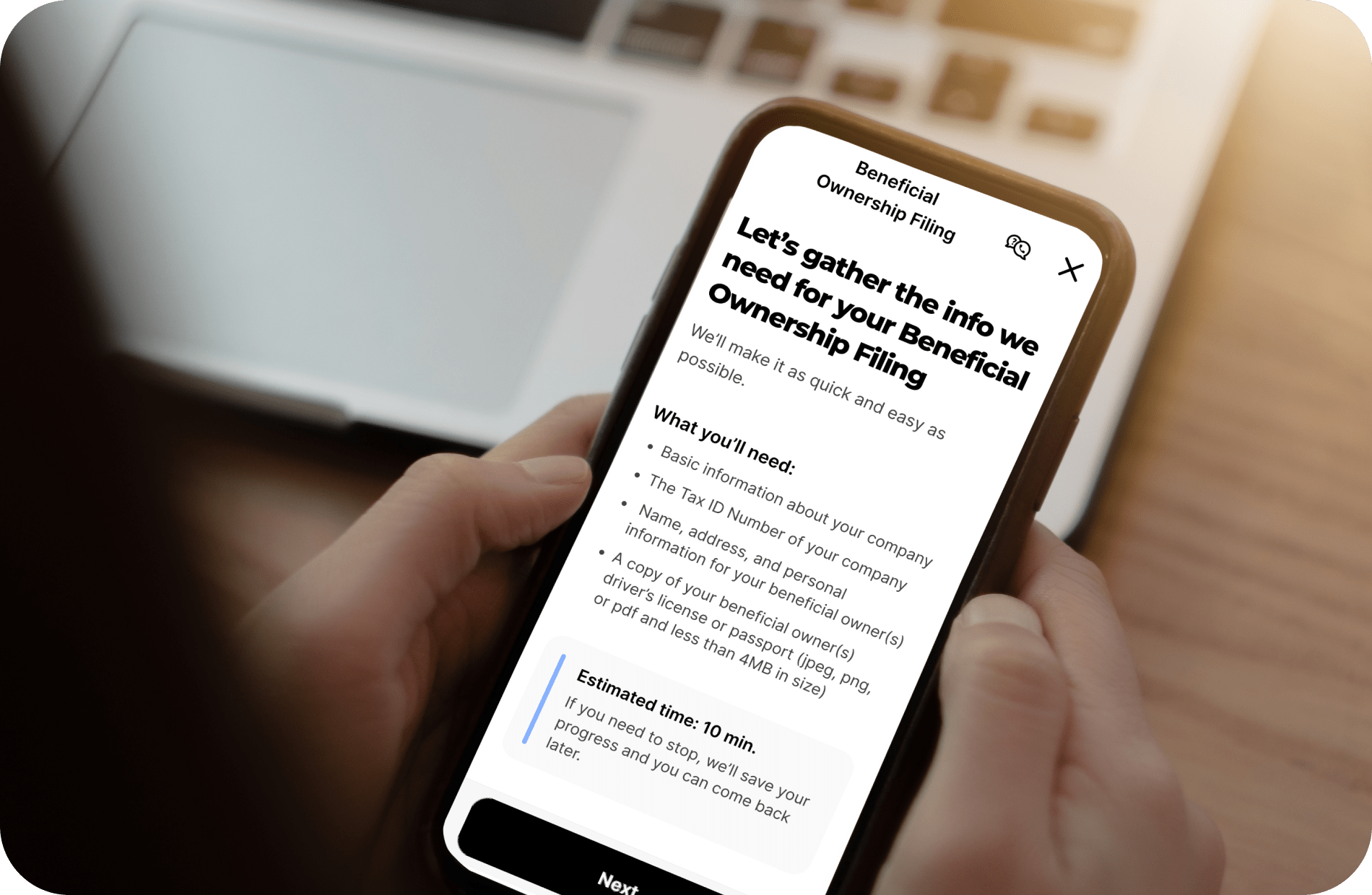
The Corporate Transparency Act may require certain U.S. companies to disclose beneficial ownership information to FinCEN to combat financial crimes.
As of today, 12/05/2024, Fairhope, AL business owners have 26 calendar days (or 19 business days) left to file their Beneficial Ownership Information (BOI) report with FinCEN.
1. Determine if Your Business Must File.
A ‘reporting company’ is any small business, corporation, or LLC that is registered with the state, unless exempt. Exemptions apply to publicly traded companies, banks, and charities. For example, a local boutique in Fairhope, AL would likely need to file a BOI report.
2. Identify Your Beneficial Owners.
A ‘beneficial owner’ is someone who has substantial control over a company or owns at least 25% of it. For instance, in Fairhope, a co-owner of a landscaping business who owns 40% of the shares and makes major strategic decisions qualifies as a beneficial owner.
3. Gather the Required Information.
Prepare:
Business name, address, and EIN.
Beneficial owners’ names, addresses, DOBs, and ID details.
4. File Your BOI Report.
Deadlines:
Existing businesses: File by 01/01/2025.
New companies (2024): File within 90 days of formation.
New companies (2025+): File within 30 days of formation.
ZenBusiness offers the opportunity to simplify the BOI reporting process, ensuring businesses comply with FinCEN regulations efficiently.
Penalties for Non-Compliance:
While a Texas federal district court’s preliminary injunction puts this requirement on hold, many experts expect that to be overturned. In that event, failure to file may lead to fines of $500 per day, up to a maximum of $10,000, and possible criminal penalties. FinCEN provides a 90-day safe harbor period for corrections without penalties.
Waiting to see what happens next could put your business in a bind, leading to a last minute paperwork scramble and possible penalties. You can avoid the problems related to noncompliance with help from ZenBusiness, whose tools and services make filing your BOI report easy.
Additional Resources:
We want to hear from you!
We need your help! Participate in our BOI survey by December 18, 2024, and for every 25 responses, our Chamber will receive a $100 donation. Join the survey here! Your feedback is invaluable!
As of December 3, 2024, a Texas federal district court has issued a preliminary injunction for all states to block the CTA and its relevant regulations. However, filing your BOI will help you avoid fines if this injunction is overruled.

When you're launching a new product, entering a new market, or simply trying to get your local business to stand out online, trust is the real currency. And for small businesses, your visual branding is often the first handshake with your audience. Done right, it becomes a credibility multiplier.
This guide offers actionable tips and resources for small business owners who want to build long-term trust through their branding—whether you're designing your first logo or optimizing your storefront signage.
Today’s customers form opinions in seconds. A sloppy color palette, inconsistent logo use, or outdated typography can subconsciously signal that your business isn’t detail-oriented—or worse, not legit.
Professional, consistent visual branding communicates that your business is organized, attentive, and customer-focused. It's more than "looking good." It’s about being recognizable, relatable, and reliable at every point of contact: online listings, packaging, ads, and even invoices.
Small business owners don’t need to hire a professional illustrator to create unique visuals. Tools that allow you to generate sketch-style illustrations, pen-and-ink art, or concept visuals from text prompts are now widely available.
These platforms enable businesses to quickly mock up designs for social posts, menus, or seasonal packaging—without high costs or wait times. You can create distinctive brand assets on demand for events, campaigns, or storefront updates using an AI drawing generator to craft one-of-a-kind graphics tailored to your vision.
Here are essential elements you should align to build recognizable and trustworthy branding:
Logo Consistency: Use the same version everywhere—website, signage, packaging, social profiles. No pixelated copies or mismatched colors.
Color Palette: Stick to a core set of brand colors across all mediums. Use a contrast-friendly palette that works well in both digital and print.
Typography: Choose 1–2 legible fonts. Avoid novelty fonts that age quickly or are hard to read on mobile.
Photography Style: Be consistent with tone, framing, and lighting. Authentic, well-lit photos of your team, location, or process go further than stock images.
Tone & Mood: Whether you’re fun and casual or clean and professional, your visual tone should match your voice and customer expectations.
|
Branding Channel |
Trust-Boosting Signal |
Common Mistakes to Avoid |
|
Website Homepage |
Clear logo, consistent colors, mobile-friendly design |
Overloading with animations or popups |
|
Packaging |
Easy-to-read labels, coherent product line visuals |
Using different designs for each SKU |
|
Social Media Graphics |
On-brand colors, consistent template use |
Random fonts and clip art |
|
Storefront Signage |
High-contrast text, clean logo, proper spacing |
Hard-to-read fonts or outdated logos |
|
Business Cards |
Crisp print, branded design, aligned contact info |
Misaligned logos or inconsistent info |
How often should I update my visual branding?
Only when your market, audience, or business model shifts. Don’t redesign just to follow trends—consistency builds recognition.
Can I build strong branding with a small budget?
Absolutely. A clear system of colors, fonts, and templates can carry a professional polish.
What’s the biggest mistake to avoid?
Inconsistency. Using different logos, styles, or tones across platforms creates confusion and weakens trust.
How important are images on local listings and review sites?
Extremely. High-quality, authentic images of your business build trust faster than any text description can. Resources like Whitespark help optimize your local visibility.
Develop a simple brand guide with rules for color, font, logo usage, and image tone.
Use design tools that support template locking and brand kits, like Easil.
Standardize your visuals for hiring ads, email footers, and event flyers to stay recognizable.
Place your logo consistently in upper-left or center for digital assets.
Align your design to local directories and chamber websites like Alignable.
If you’re managing brand consistency across multiple channels—or coordinating with part-time help or freelancers—RelayThat is a lightweight, low-cost tool that lets you lock templates, enforce font and color usage, and export on-brand designs quickly.
Visual branding isn’t just design—it’s strategy, memory, and trust in one. With the right toolkit and a few smart habits, your small business can look polished, trustworthy, and consistent—without needing a full creative team.
Use your visuals to signal what kind of experience customers can expect from you. Because when your brand looks trustworthy, people are more likely to believe you are trustworthy.
Discover the vibrant community and business opportunities on the Eastern Shore by visiting the Eastern Shore Chamber of Commerce and see how we can help your business thrive!
Running your own marketing comes down to three decisions: where to show up, what to say, and whether it worked. Most small business owners tackle all three by instinct — and according to Constant Contact's 2024 research, only 16% of small business owners feel confident they're using the right channels to reach their customers, even though 82% agree that multi-channel marketing produces better results. In a growth market like Baldwin County — where new residents are constantly discovering local businesses for the first time — closing that gap matters more than in most places.
A marketing channel is any path you use to reach potential customers. Think of it as the vehicle, not the message — the where, not the what.
Online channels include:
Google Business Profile — your free local listing that appears in search and maps
Email marketing — direct outreach to people who've already opted in
Social media — platforms like Facebook, Instagram, or LinkedIn, depending on your audience
Content marketing — a blog or newsletter on your own website
Offline channels often get overlooked, but they still move the needle — especially in community-rooted markets. Flyers on telephone poles, bulletin boards at coffee shops, billboards on U.S. Highway 98, and sponsorships at events like the Jubilee Festival of Arts in Olde Towne Daphne are all legitimate channels with real audiences and different cost profiles.
Bottom line: The right channel isn't the most popular one — it's the one where your specific customer already spends time.
Start with one question: Where does my best customer already go?
If your customer is local and searching on their phone: Google Business Profile and local SEO are your highest-priority channels. 97% of consumers turn to the internet to find nearby businesses, and 78% do it every single week. In Baldwin County, where new residents are constantly looking for a dentist, contractor, or restaurant for the first time, showing up in search isn't optional.
If your customer is a repeat buyer or former client: Email is your highest-ROI channel. Email marketing consistently outperforms other channels on return — averaging $36 for every $1 spent — making it the best investment for businesses that already have a list.
If your customer values community presence: Offline channels — event sponsorships, neighborhood signage, bulletin boards — reach people who tune out digital advertising entirely. On the Eastern Shore, where local identity and personal relationships still drive purchasing decisions, this matters more than in most markets.
Messaging is the core promise you communicate to a potential customer: why your business, why now, and why it matters to them specifically. A channel is where you show up; messaging is what you say once you're there.
The key insight is that the same message doesn't work across every channel. A billboard gives you two seconds. An email gives you sixty. Here's how the match works:
|
Channel |
Customer Mindset |
Messaging That Works |
|
Google search |
"I need this right now" |
Specific service + location + availability |
|
Email list |
"I already know this business" |
Updates, loyalty offers, local expertise |
|
Social media |
"I'm browsing, not buying yet" |
Community presence, visuals, local events |
|
Bulletin board / flyer |
"I'm open to local options" |
Simple offer + phone number or QR code |
|
Event sponsorship |
"I respect community businesses" |
Values, relationship, trust signals |
The rule: the shorter the customer's attention span in that channel, the sharper your message needs to be.
Marketing involves documents — a rack card, a co-branded flyer, a one-pager received as a PDF. PDFs are easy to share but difficult to edit, which creates friction every time you need to update a phone number, correct an address, or swap out event details before a deadline.
Editing a PDF directly is tedious and often imprecise. When you need to make significant text or formatting changes, a more efficient approach is to use a PDF to Word conversion tool to convert the file into an editable Word document, make your changes, and save it back as a PDF when you're done. Adobe Acrobat's online converter is a browser-based tool that preserves fonts, formatting, and images through the conversion — no software installation needed.
In practice: Build and revise marketing documents in Word first, then export to PDF — it takes less time and produces cleaner results than trying to edit a PDF directly.
This is where most small business marketing breaks down. You post, you run the ad, you sponsor the event — and then move on without checking whether it drove any results.
Consider two businesses that both run a spring campaign. The first decides in advance that success means 10 new phone inquiries. They track it, find that social media drove two calls and email drove nine, and adjust their next campaign accordingly. The second posts the same content, sees some engagement, and has no idea whether it was worth the time. After six months, they're still guessing.
The difference isn't budget — it's measurement. The U.S. Small Business Administration recommends reviewing your marketing plan at least annually and using consistent ROI tracking to determine what's working and what needs replacing. Decide what "worked" means before you spend: a phone call, a form submission, a walk-in, a sale.
Content you own — your website, your email list — compounds in ways paid ads don't, with small businesses 23% more likely than average to see ROI from blog posts. Start measuring before you scale.
Bottom line: If you can't connect a channel to a specific customer action, you're paying for exposure — not results.
Baldwin County is one of the fastest-growing markets in Alabama, which means more competition for customer attention and more opportunity for businesses that show up with intention. You don't need an agency or a big budget to market effectively. You need a channel that fits your customer, a message that fits the channel, and a way to know whether it worked.
The Eastern Shore Chamber of Commerce offers educational workshops, peer networking, and access to community resources designed to help local businesses grow. If you're ready to sharpen your marketing approach, connecting with the chamber and attending an upcoming event is one of the most practical next steps you can take.
Begin collecting at every customer touchpoint: a sign-up form on your website, a QR code at the register, or a prompt at the end of a receipt or invoice. Even 50 engaged subscribers is a stronger foundation than a social media following of 5,000 people who don't know your business. Offer something worth signing up for — a discount, a local insider tip, or early access to events.
An email list you own is more durable than any social media following.
Yes. Seasonal businesses on the Eastern Shore — particularly those tied to Gulf Coast tourism, which peaks spring through summer — often go quiet off-season and then scramble to rebuild awareness before high season. Slow months are exactly when list-building, content creation, and Google Business Profile updates pay off most, because you're warming up your audience before peak traffic returns.
Use off-season to build reach; use peak season to convert it.
One well-executed channel consistently outperforms three neglected ones. If you're stretched thin, pick the single channel most likely to reach your target customer and do it well before adding more. For most local Eastern Shore businesses, that starting point is either a claimed and optimized Google Business Profile, an email list, or both — low cost, high return.
Depth on one channel beats shallow presence across several.
There are three places to look: the channel (does your customer actually spend time there?), the message (is it specific enough, and does it match what the customer needs in that moment?), and the offer (is there a clear reason to act now?). Usually, the issue is one of the three. Test them one at a time — change the message before you abandon the channel, and change the channel before you abandon the strategy.
Most marketing failures are a mismatch problem, not a budget problem.
In today's competitive business landscape, storytelling isn't just a skill; it's an essential part of effective communication. Whether you're addressing potential clients, investors, or your own team, the ability to craft and deliver a compelling story can significantly influence your success. This guide explores key strategies to help you master the art of business storytelling, ensuring your narratives resonate, engage, and inspire action.
Business owners can leverage AI-generated images to create engaging visual content that enhances their business's storytelling strategy. By utilizing AI, they can produce high-quality, customized visuals that resonate with their target audience and convey their brand message effectively. This approach not only saves time and resources but also allows for greater creative flexibility, enabling businesses to experiment with various styles and concepts without the need for extensive design skills. In order for you to use an AI image generator, it's essential to understand how to integrate these visuals seamlessly into your narrative, ensuring they complement and enhance the story you are telling. Additionally, using a text-to-image tool to generate AI images streamlines the process of creating visual content, making it easier for business owners to maintain a consistent and visually appealing presence across all marketing channels.
To truly captivate your audience, you need to tailor your stories to their interests, needs, and experiences. Begin by understanding who they are — their challenges, desires, and motivations. This knowledge allows you to create stories that feel personal and relevant. For instance, when presenting to investors, focus on narratives that underscore growth potential and resilience, whereas stories of innovation and team spirit might resonate more with your employees. By aligning your story with your audience's perspective, you enhance its impact and relevance, making it more likely that they will listen, remember, and react positively.
Authenticity is the cornerstone of effective storytelling. When you share stories that reflect your true values and experiences, your sincerity shines through, establishing trust and credibility with your audience. Don't shy away from showing vulnerability or sharing failures — these elements make your stories relatable and human. An authentic approach not only strengthens your connection with your audience but also sets a foundation for genuine engagement, encouraging them to invest emotionally and intellectually in what you have to say.
Building an emotional connection is vital for a story to leave a lasting impression. Emotions drive decisions, and by tapping into feelings like hope, excitement, and empathy, you can make your message more persuasive. Use vivid language and sensory details to paint a picture, making the scenario as real and relatable as possible. This technique helps your audience visualize the experience and feel a part of the story, making the narrative more memorable and impactful.
Keeping your story simple is crucial. Avoid bogging down your narrative with excessive details or jargon that could confuse or alienate your audience. Focus on the core message you want to convey and deliver it in a clear, concise manner. A simple story is easy to understand and remember, making it more effective in influencing your audience and achieving your communication goals.
A well-structured story flows logically and keeps your audience engaged from start to finish. Start with a strong hook that grabs attention, proceed with the body where you outline the challenge and the journey, and conclude with a satisfying resolution that underscores the main message or call to action. This structure not only makes your story easier to follow but also enhances its persuasive power by building up to a compelling climax.
Effective storytelling is an art that requires practice and refinement. Continuously seek feedback on your storytelling skills and be willing to make adjustments based on what you learn. Pay attention to your audience's reactions during your story — this can provide valuable clues about which parts are working and which parts need improvement. Over time, refine your approach, experiment with new techniques, and always aim to deliver your stories with more precision and impact.
The ability to tell a compelling story in the business environment can transform how you connect with others. By honing your storytelling skills and applying these practical tips — from using AI to create complementary illustrations to using an authentic approach to continually refining your techniques — you prepare yourself to not only capture but also profoundly impact your audience, driving engagement and inspiring action. Each story you tell is an opportunity to further your business objectives while strengthening relationships with those essential to your success. With each narrative you concoct and share, you build a stronger, more resonant voice in your industry.
Join the Eastern Shore Chamber of Commerce to get the tools and make the connections you need to build a winning business in our community!Graphic design can feel like one more chore on a growing to-do list, especially for those building a business from the ground up. The temptation is to either outsource everything or rely on whatever default fonts and templates happen to be available. But in a crowded marketplace, visual branding isn’t a luxury—it’s a lever. With the right tools and a few solid habits, even the most non-design-inclined business owner can produce eye-catching, credible visuals without bleeding time or cash. This isn't about perfection. It's about getting better, faster, and more consistent where it counts.
Turn Complex Projects Into Click-and-Drop Wins
Not everyone has the time—or the background—to master layout software or color theory, but AI-powered design tools close that gap fast. With intuitive drag-and-drop templates, intelligent design suggestions, and the ability to tweak layouts in seconds, polished flyers, brochures, and banners are suddenly within reach. These platforms remove the intimidation factor and make it easy to punch above your weight visually. For those curious about how to pull it off, this article breaks down what works and why.
Stick to a Three-Color Rule
Color choices tend to spin out of control quickly, especially when inspiration strikes mid-project. The fix? Decide on two core colors that represent the business—typically one bold and one neutral—and use them like a uniform. Add a third for emphasis. This discipline builds recognition across platforms and gives designs a cohesive rhythm. Free tools like Coolors or Adobe Color can help lock down palettes that resonate without clashing or feeling trend-chained.
Design in Batches, Not in Panic
Trying to make a flyer the night before a launch or a post five minutes before publishing is like cooking while the kitchen’s on fire. Block time weekly or biweekly to design a handful of assets at once. This way, the creative mindset is focused, the brand details stay fresh, and the visual tone remains consistent. It also opens the door to scheduling tools like Buffer’s content planner, giving busy entrepreneurs a sense of momentum rather than playing catch-up. Design becomes part of the rhythm, not a last-minute scramble.
Don’t Chase Trends—Chase Clarity
Scrolling through social media design trends might tempt some into mimicry, but fads age poorly and rarely convert to lasting brand recognition. Instead, prioritize clarity. Ask if someone unfamiliar with the business could instantly tell what the offer is. Good design isn’t about looking cool—it’s about removing confusion and guiding attention. That might mean more white space, shorter copy blocks, or choosing imagery with a single focal point. A design doesn’t have to dazzle to be effective; it just has to make the message unmistakable.
Fonts Speak Louder Than Words
The mistake many make is defaulting to whatever font looks “fun” or vaguely matches a mood. But readability and tone go hand-in-hand. Stick to one serif and one sans-serif pairing and avoid anything too decorative unless it’s a logo. Good design isn't just pretty—it's legible. Choosing fonts that reflect professionalism, reliability, or playfulness (depending on your field) adds a layer of nonverbal communication to every post, flyer, or banner. Free font libraries like Google Fonts offer more than enough variety without the licensing headache.
Use Real Photos, Not Perfect Ones
Stock imagery has its place, but overuse turns brands generic. Whenever possible, snap real photos—behind-the-scenes shots, hands at work, happy customers, packed shelves. Even if the lighting isn’t ideal or the framing isn’t magazine-worthy, authenticity wins attention. These images give context and humanity to the business, helping customers feel connected rather than sold to. Edit lightly, and keep filters subtle. Apps like Snapseed or Lightroom Mobile can bring a phone photo to life with just a few tweaks.
Design doesn’t require a degree or an expensive platform. It requires clarity, consistency, and the willingness to build small systems that remove guesswork. For busy entrepreneurs juggling marketing, fulfillment, and operations, these lightweight strategies can make branding less of a drag and more of a muscle. With templates, trusted tools, and a few design rules baked into the workflow, it’s possible to build a brand that looks as sharp as the business behind it.
Launching a new venture on the Eastern Shore requires more than a strong idea; it requires the right people. Early hires shape culture, operational stability, and your long-term ability to scale. Below is a practical guide to help local business owners make confident, low-risk staffing decisions that support growth.
In brief:
Strong hiring begins with clarity about roles, expectations, and culture.
Smart sourcing expands your reach beyond traditional job boards.
Structured evaluation reduces bias and helps avoid early mis-hires.
Competitive, flexible work environments attract top candidates.
Document management helps streamline onboarding and compliance.
Every early hire influences how your business operates and how customers experience it. Clear expectations, realistic timelines, and defined responsibilities prevent avoidable friction later.
Many small businesses improve hiring efficiency by moving important paperwork—applications, onboarding forms, agreements, and job descriptions—into digital form. Digitizing these files makes it easier to store everything in one location, and you can easily add pages to your PDFs using an online tool; check this out. A free online PDF tool also enables you to reorder, delete, and rotate pages, giving you more control over how you organize hiring records.
Great hiring processes intentionally guide candidates from discovery to decision. These ideas can help you stay organized and reduce risk:
Clear roles and responsibilities help candidates self-select into the right opportunities.
Consistent interview structures make comparing applicants simpler.
Strong job postings that emphasize real needs bring in higher-quality applicants.
Early conversations about expectations reduce turnover risk.
Use this quick reference as you refine your hiring process:
 Define the business problem the role must solve.Document all responsibilities and expected outcomes.Determine required skills versus “nice to have” qualities.Create a simple screening rubric before reviewing applicants.Standardize interview questions to eliminate guesswork.Verify references and work samples when applicable.Develop an onboarding plan before making an offer.
Candidates today care about more than pay. They want purpose, balance, and opportunities to grow. Creating a supportive work environment—especially in a tight regional labor market—is one of the most effective ways to stand out.
Here’s a quick look at how different hiring strategies function in practice:
|
Hiring Method |
Best Use Case |
Risk Level |
Notes |
|
Full-time hire |
Medium |
Helps build culture; requires ongoing investment |
|
|
Part-time/seasonal |
Fluctuating demand |
Low |
Useful for tourism-driven businesses |
|
Contractors |
Specialized or short-term tasks |
Medium–High |
|
|
Referral-based |
Trusted networks |
Low |
Can improve culture fit, but reduces diversity of applicants |
Local candidates often seek employers who contribute to the region’s economic health. Partnering with the Eastern Shore Chamber of Commerce, attending local events, and engaging in community programs can make your business more visible to talent who want meaningful work close to home.
How early should I hire?
Hire when the workload is consistent enough that a new team member can meaningfully support revenue or customer experience.
What if I make a hiring mistake?
Address concerns early. Clear communication and documented expectations help you course-correct or exit the relationship respectfully.
Do small businesses need formal onboarding?
Yes. Even a simple checklist improves performance, confidence, and retention.
Should I prioritize skills or attitude?
Look for candidates with a strong baseline of skills and a mindset aligned with your company’s values and mission.
Early hiring choices determine how smoothly your business grows—and how resilient it becomes during busy or uncertain seasons. By clarifying roles, creating structured evaluation steps, and offering a respectful work environment, you’ll attract the kind of talent that helps your business flourish. With the right systems and community presence, your team becomes one of your strongest competitive advantages.
As we celebrate Women's Small Business Month this October, it’s important to highlight the innovative tools that help women entrepreneurs streamline their operations and drive growth. Adobe Acrobat offers a powerful suite of features designed to increase efficiency, simplify document handling, improve team collaboration, and streamline key business tasks. For women business owners looking to save time and focus on scaling their ventures, these solutions can be a game-changer in today’s fast-moving entrepreneurial world.
Acrobat AI Assistant: Take a look at Acrobat AI Assistant, which empowers entrepreneurs with smart document tools designed to boost efficiency and clarity. Its ability to generate summaries instantly highlights the most critical points of any document, turning dense information into actionable insights. Plus, by answering user questions directly, it streamlines decision-making and optimizes daily workflows, helping small business owners stay focused on growth and innovation.
Edit: Adobe Acrobat's Edit tool allows entrepreneurs to modify text and images directly within PDFs, ensuring quick adjustments without losing formatting. It offers a practical solution for small business owners who often need to update contracts, proposals, or marketing materials. This feature keeps document editing seamless, saving time and enhancing professionalism.
Share Feedback: Share Feedback in Adobe Acrobat fosters collaboration by allowing team members, clients, or stakeholders to provide input on documents in real time. Entrepreneurs benefit from this feature by streamlining communication and consolidating feedback from multiple sources. It’s a valuable tool for refining proposals or product documents to align with client expectations.
Request e-signatures: The Request e-signatures feature accelerates the signing process for entrepreneurs who need to finalize agreements quickly and securely. It enables business owners to send, track, and manage digital signatures, ensuring contracts are legally binding and efficient. This tool reduces the need for manual paperwork, helping entrepreneurs close deals faster and keep their businesses moving forward.
At Bon Bon Bon, founder and chocolatier Alexandra Clark and her team have leveraged the diverse suite of tools Adobe Acrobat offers to elevate their business operations and drive success.
Join the Eastern Shore Chamber of Commerce today to connect with local resources and tools that will help your business thrive.
When your business encounters challenging times, the path to recovery can often seem uncertain and overwhelming. However, these periods of difficulty also present an opportunity to reassess and strengthen your operations. By implementing strategic, proven solutions, you can not only navigate through the turbulence but also emerge more resilient and prepared for future challenges. This article will guide you through a series of effective steps designed to help you stabilize your business, optimize your resources, and set the stage for sustainable growth.
Conducting a comprehensive financial audit is a crucial first step when your business faces tough times. This process involves a thorough examination of your financial statements, including income statements, balance sheets, and cash flow statements, to gain a clear picture of your financial health. By identifying areas of waste, unnecessary expenses, and underperforming assets, you can pinpoint where cost-cutting measures can be most effective. An audit also helps you detect any discrepancies or financial mismanagement that might be contributing to your financial difficulties.
Diversifying your revenue streams offers significant benefits, especially when your business faces tough times. It reduces your dependence on a single income source, providing a safety net if one stream underperforms. This approach also opens up new market opportunities, allowing you to tap into different customer segments and industries. By offering a variety of products or services, you can better meet the diverse needs of your customers, enhancing overall satisfaction and loyalty. Multiple revenue streams can smooth out cash flow fluctuations, ensuring more consistent financial stability.
To gain a competitive edge, you should investigate your competitors’ marketing strategies to understand what resonates with your shared target audience. By analyzing successful campaigns, you can uncover the strategic thinking and creative innovations that drive engagement and brand loyalty. This approach not only helps you identify effective tactics but also reveals potential gaps in your own strategy. Moreover, understanding competitors’ use of modern techniques like AI-powered personalization and influencer marketing, which saw a 29% growth in 2023, can inform your future plans.
Renegotiating contracts can help align them with your current business needs and goals, providing better terms that suit your evolving circumstances. By revisiting agreements, you can secure more favorable conditions, such as adjusted payment schedules or modified service terms. It's crucial to ensure that contracts detail rights and obligations, clearly outline specific considerations, and include important dates and termination rights. Consulting with an attorney before creating, finalizing, or signing a contract ensures you fully understand the terms and their implications. To get a comprehensive understanding of this process, give this a view and make informed decisions.
Investing in employee training and development programs during economic downturns is a strategic move that can yield significant benefits. Even when budgets are tight, continuing to upskill your workforce helps maintain productivity and performance, as employees can adapt to changing business needs. Research from the Aspen Institute highlights that organizations that persist in upskilling during downturns are better positioned to attract top talent and communicate a strong employer brand. Fostering employee growth can also boost morale and engagement, as workers feel valued and hopeful about their career prospects.
Adopting a flexible workforce model that includes freelancers and contractors can help you effectively manage fluctuating demands. As businesses continue to evolve post-pandemic, integrating freelancers offers numerous benefits, including cost-effectiveness and access to specialized skills. This approach allows companies to scale operations quickly and efficiently without the long-term commitment associated with full-time employees.
Navigating tough business decisions can be daunting, but with the right strategies, you can move forward confidently. By supporting your employees, seeking expert advice, learning from past closures, and adopting flexible workforce models, you can ensure your business remains resilient. Additionally, focusing on customer loyalty, employee development, and staying informed about market trends will help you stay competitive. Remember, every challenge presents an opportunity for growth and innovation. Embrace these strategies to steer your business toward a brighter future.
A scroll through today’s social feeds can feel like walking through a crowded bazaar with vendors yelling from every angle. Attention is currency, and competition for it is fierce. For small businesses navigating this space, visual content is no longer a nice-to-have—it's the hook, the handshake, and the message, all wrapped into one. While budgets might be tight and teams lean, smart visual storytelling gives these businesses something rare: the ability to punch far above their weight.
The Eye Decides Before the Brain Does
Before a single word registers, the eyes have already made a decision. A photo, a clip, an animation—these elements aren’t just decoration; they’re the gatekeepers to whether someone stays or scrolls. Visuals allow small businesses to create instant intrigue, the kind of thumb-stopping content that gets users to pause long enough to hear what’s being said. This split-second engagement is often the difference between building a relationship or getting lost in the algorithm.
Personality Over Polish
There’s a common misconception that visual content needs to look like it came from a glossy ad agency to be effective. But what actually moves people on platforms isn’t polish—it’s personality. Small businesses that lean into their quirks, document behind-the-scenes moments, and show the human side of their brand often see better results than those chasing perfection. Raw authenticity builds trust faster than a flashy reel with no soul, and that trust is what converts browsers into believers.
One Image, Many Lives
Creating great content doesn’t have to mean starting from scratch every time. With the help of applications of AI photo editor technology, small businesses can take a single compelling image and effortlessly tailor it for different platforms—saving hours without sacrificing quality. From resizing a product photo for Instagram Stories to adjusting contrast for a print flyer or updating a banner on a website, AI tools streamline the process and let teams focus on the story rather than the software. Features like automatic background removal, smart retouching, and content-aware resizing allow for quick, professional-level visual adaptations that feel custom-fit to each platform.
Visuals as Conversation Starters
More than just grabbing attention, effective visual content invites a response. Whether it's a funny meme, an evocative image, or a quick how-to video, visuals open up dialogue between businesses and their audience. Instead of a one-way broadcast, it becomes a two-way exchange—comments, DMs, shares, reactions. For small businesses, this kind of engagement isn't vanity—it’s visibility. Every interaction sends a signal to the platform that this content matters, boosting it to a wider audience.
Speed and Agility Beat Big Budgets
What small businesses lack in size, they make up for in speed. While large companies might need weeks to approve and execute a campaign, a local bakery can jump on a trend and post something by lunchtime. That kind of agility is powerful in the fast-moving world of social content. The visual landscape rewards those who move quickly, take creative risks, and read the room in real time—advantages that small businesses hold in spades.
Visual Consistency Builds Brand Memory
Consistency doesn’t mean repetition—it means cohesion. The use of similar color palettes, typefaces, editing styles, or visual motifs helps a business build recognizable cues that audiences begin to associate with their brand. Over time, this visual consistency helps bake the business into the memory of their audience. It’s not just about being seen—it’s about being remembered, and remembered for the right reasons.
Uplifting Communities, One Post at a Time
When done right, visual content doesn’t just sell a product—it tells a story about place, people, and purpose. Small businesses often sit at the heart of communities, and their content reflects more than just a bottom line. It reflects the neighborhood, the values, the shared experiences that give a business its soul. Visual storytelling becomes a bridge—between brand and buyer, between business and community—elevating not just sales, but sentiment.
In a world where everyone’s talking, it’s the images that make people listen. For small businesses, visual content offers a chance to show who they are in a single glance. It levels the playing field, allowing heart, humor, and hustle to outshine bigger budgets and broader reach. What matters most isn’t having the best camera or the flashiest design—it’s having something to say, and saying it in a way that makes people care. That’s the power of visual content in the hands of those who use it with intention.
Contracts are one of the most important tools a business owner uses to manage risk, define expectations, and protect relationships. A business contract is a legally binding agreement between two or more parties that outlines responsibilities, timelines, payments, and consequences if something goes wrong.
For new entrepreneurs, contracts can feel intimidating at first. Legal terminology and lengthy clauses often make them seem more complex than they actually are. Once you understand how contracts work, however, they become a straightforward framework for keeping business partnerships clear and organized.
Contracts define responsibilities, payment terms, and timelines between parties.
Clear wording reduces misunderstandings and potential disputes.
Negotiation is a normal part of business agreements.
Important clauses determine liability, termination rights, and dispute resolution.
Digital tools make editing, organizing, and reusing contracts easier.
Before creating or negotiating agreements, it helps to know what makes a contract legally valid. Most business contracts share several foundational components that allow them to be enforced.
A legally recognized contract typically includes the following elements:
A clear offer outlining the terms of the agreement
Acceptance of those terms by another party
Consideration, meaning something of value exchanged
Mutual intent to create a binding agreement
Legal capacity of both parties to enter the contract
Without these elements, a contract may not hold up if a dispute arises.
Many contracts contain sections that look routine but can significantly affect how your business operates. Understanding these provisions helps you identify where negotiation may be necessary.
Below is a quick reference to several clauses you are likely to encounter:
|
Contract Clause |
Why It Matters |
|
Payment Terms |
Defines when and how payments must be made |
|
Scope of Work |
Clarifies services, deliverables, or obligations |
|
Termination Clause |
Explains how either party can end the agreement |
|
Liability Limits |
Sets boundaries for financial responsibility |
|
Dispute Resolution |
Determines how conflicts will be handled |
Knowing the purpose of these clauses allows you to focus negotiations on areas that matter most.
Business owners rarely start from scratch when writing agreements. Instead, they often reuse sections from previous contracts or modify existing templates for new situations.
Digital document tools make this process far easier. For example, if you want to use portions of a current agreement to build a new one, you can extract only the relevant pages and reuse them. This allows you to keep proven clauses while adapting the rest of the document for a different deal.
Online tools also allow you to isolate specific sections and create a new document quickly. If you need to reuse certain pages from an existing contract, check this out to select those pages and generate a modified version of the agreement.
Creating a contract becomes easier when you follow a structured approach. Instead of focusing on legal jargon, concentrate on clearly documenting the business relationship and expectations.
A simple process for preparing agreements includes the following steps:
Identify the purpose of the agreement.
Define the responsibilities of each party.
Specify deliverables, deadlines, and payment terms.
Include clauses addressing delays, disputes, or cancellations.
Review the document with legal counsel when appropriate.
Ensure both parties fully understand the final version before signing.
This approach ensures the contract supports the relationship rather than complicating it.
Negotiation is a normal and expected part of creating business contracts. Most agreements go through several revisions before both sides are satisfied.
The key to effective negotiation is focusing on outcomes rather than positions. When both parties openly discuss expectations—such as pricing, timelines, and deliverables—the contract becomes more balanced and easier to follow.
Business owners should also decide in advance which terms are flexible and which are essential. This clarity helps maintain productive conversations and prevents unnecessary concessions.
Before committing to an agreement, business owners often want clarity on practical risks and responsibilities.
Not every small agreement requires legal review, but high-value or long-term contracts usually should be examined by an attorney. Legal professionals can identify vague language, liability risks, or missing protections. Their review can prevent costly issues later.
When one party fails to meet the contract terms, it is considered a breach. The agreement usually outlines remedies such as financial compensation or termination rights. Following the contract’s dispute process is typically the first step toward resolution.
Yes, contracts can be modified if all parties agree. Changes are usually made through written amendments that reference the original document. Verbal changes are rarely enforceable in business agreements.
Templates can be useful starting points for common agreements. However, every business situation is different, so templates should always be customized. Using generic language without adjustments can overlook important legal considerations.
Business contracts should be stored securely for several years after they expire. Many businesses maintain digital archives for easy retrieval. Keeping organized records protects your company if questions or disputes arise later.
Contracts give business relationships structure and accountability. When written clearly and negotiated thoughtfully, they protect both parties while keeping expectations transparent. For business owners, learning the basics of contract creation and negotiation is a valuable skill that strengthens partnerships and reduces risk. Over time, contracts become less intimidating and more like a roadmap for successful collaboration.
Nearly half of all cyberattacks — 43% — target small businesses, yet only 14% are adequately prepared to defend themselves. For businesses in Daphne, Fairhope, and Spanish Fort, where community reputation is a primary growth driver, a breach does damage that runs well beyond the immediate financial hit. Most attacks succeed not because they're sophisticated — they succeed because they find predictable gaps that were never closed. Here's where those gaps typically are.
Patch management — keeping your operating systems, applications, and devices current — is the unglamorous first line of defense. When vendors release a security patch, attackers study it to find the flaw it fixed, then target businesses that haven't updated yet. This window between patch release and installation is when most exploitation happens. Enable automatic updates wherever possible; for anything that requires a manual step, build a weekly check into your routine.
Credential theft drives a majority of breaches. The fix is structural, not behavioral:
[ ] Require passwords of at least 12 characters with mixed character types
[ ] Use a password manager (Bitwarden, 1Password) — every account gets a unique credential
[ ] Enable multi-factor authentication (MFA) on email, banking, and cloud tools
[ ] Eliminate shared logins — each employee gets their own account
CISA's Secure Our World program identifies these four controls as the ones that close the most-exploited gaps in small business environments.
Bottom line: MFA alone stops the vast majority of automated credential attacks — enable it before you do anything else.
If you've sent one reminder email about suspicious links and feel the training box is checked, you're not alone — and you're not protected.
The 2024 Verizon Data Breach Investigations Report found that 68% of breaches traced back to the human element — not careless employees, but well-meaning people caught off guard by convincing fakes. One annual reminder doesn't build the habit of caution. Quarterly phishing simulations, short monthly updates on new scam tactics, and a clear path for employees to report suspicious messages do.
If you believe paying a ransom will quickly restore your files after an attack, the evidence says otherwise: one in four businesses that paid ransoms still couldn't recover their data — and they're also out the payment.
Reliable recovery requires a tested backup, not a ransom payment plan. The standard is the 3-2-1 rule: three copies of your data, on two different media types, with one stored offsite or in a cloud account with separate credentials. Test your restore process quarterly — not once when you set it up.
In practice: A backup you've never actually restored from isn't a recovery plan — it's a hope.
Picture a boutique on Fairhope's commercial strip where one Wi-Fi password is shared across the point-of-sale terminal, the back-office laptop, and the guest network for browsing customers. An attacker who compromises any one device can move laterally to the others. Network segmentation — keeping customer-facing Wi-Fi on a separate network from operational systems — limits how far that damage can spread.
Mobile devices compound the risk. When employees check business email on personal phones, those devices become entry points. Establish a basic mobile device management (MDM) policy: require screen locks, encryption, and remote wipe capability for any device accessing business accounts.
Contracts, payroll records, and client data shared as PDFs are vulnerable once they're forwarded or stored in shared drives. Password-protecting sensitive PDFs before sending them adds a security layer that survives email chains and file-share links. Adobe Acrobat Online is a browser-based tool that lets you password-protect documents and add pages to pdf files, reorder, delete, and rotate pages before locking the final version. The goal is a clean, locked file — not a draft that can be edited after it leaves your hands.
A security audit doesn't require a consultant. Start by identifying where your access controls stand:
If you've had employee turnover: Audit permissions immediately. Former employees with active logins are among the most common — and most preventable — vulnerabilities in small businesses.
If you're running older software: Check which applications are end-of-life and no longer receiving security updates. Any software without patches is a permanent open door.
If you handle payment or health data: Consider an annual professional assessment. An average breach now costs $4.88 million globally — an annual review is economical by comparison, and compliance gaps in PCI or HIPAA add regulatory exposure on top.
Bottom line: The most common audit finding in small businesses isn't missing software — it's access that was granted and never revoked.
Businesses that navigate cyberattacks well in communities like Daphne, Fairhope, and Spanish Fort aren't the ones with the biggest IT budgets — they're the ones with documented plans and practiced habits. The Eastern Shore Chamber of Commerce offers monthly networking events and skill-building workshops where these conversations happen between peers who know the local business landscape. Start with one fix from each section above, then bring those conversations to your next member event.
Size isn't protection — for automated attacks, it's an advantage. Smaller businesses typically have fewer security controls and less IT oversight, making them faster to breach with a lower risk of detection. Attackers run automated tools that don't filter by company size.
Being a small business makes you a more convenient target, not a less likely one.
Most policies require documentation of basic security practices — MFA, tested backups, employee training — as a condition of coverage. A claim filed without evidence of those controls may be denied. Insurance and security practices work together; one doesn't substitute for the other.
Review your policy's specific requirements before you assume you're covered.
Watch for unexplained login failures, unfamiliar new accounts, and sluggish systems without another obvious cause. Many breaches go undetected for weeks. CISA's free Cyber Hygiene Vulnerability Scanning program proactively identifies external-facing weaknesses before an attacker exploits them.
Assume a breach is possible and monitor for early indicators — don't wait for a visible disruption to investigate.
CISA offers free small business self-assessment tools, vulnerability scanning for internet-connected systems, and the Secure Our World resource library. The SBA also maintains a cybersecurity resources page with step-by-step guidance that doesn't require technical expertise to follow.
Start with CISA's free tools — they cover most of what a small business needs to get started without spending anything.
Recession-proofing means building the habits and buffers that keep a business operational when conditions tighten — before you're under pressure to find them. In a coastal economy like Daphne-Fairhope-Foley's, where tourism, retail, and real estate drive revenue that's already seasonal, an economic slowdown doesn't just reduce demand — it compounds the cash flow variability businesses already manage. The Federal Reserve's 2025 research found that 75% of small businesses were struggling with costs and cash flow, with more than half also having difficulty paying operating expenses. That number spans every industry — and it's why recession preparation matters even when business looks fine right now.
Profitability tells you how your business performed. Cash flow tells you whether you'll make it through next month. This distinction catches more business owners off guard than it should — especially in a market where strong summer seasons can make a business feel healthier than it actually is.
Consider two scenarios. A Fairhope gift shop generates solid annual margins but holds no reserves. A slow January forces a delayed supplier payment and a last-minute short-term loan at a bruising rate. A second shop — same margins, same January — keeps two months of operating expenses in a dedicated account. Same pressure, different outcome. Even solvent businesses can fail during a recession without adequate liquidity, making weekly cash flow monitoring and negotiating extended supplier payment terms essential habits to build now.
Bottom line: Build reserves when cash is good — you won't have the margin to do it once conditions tighten.
Labor cuts are often the first lever owners reach for when revenue dips. But your most experienced employees carry customer relationships, institutional knowledge, and operational consistency that take years to rebuild.
On the Eastern Shore, where professional networks are tight and your staff often knows your competitors personally, retention matters more than it might in a larger metro market. Honest communication about where the business stands goes a long way — employees who feel informed tend to stay through uncertainty, while those kept in the dark start looking. Consistent hours and visible ownership commitment often matter as much as a wage increase.
A single income stream is a single point of failure. Companies with diversified revenue streams are 30% more likely to stay profitable during economic downturns than those relying on one source — and the businesses that make this shift before a recession hits treat it as an advantage rather than a survival move.
For Eastern Shore businesses, diversification often builds on what's already here:
|
Business Type |
Primary Revenue |
Diversification Option |
|
Retail boutique |
In-store sales |
Online shop, gift cards, subscription boxes |
|
Restaurant or café |
Dine-in service |
Catering, private events, meal kits |
|
Service business |
Per-project billing |
Retainer agreements, workshops, digital products |
|
Tourism-dependent |
Seasonal visitors |
Year-round local programs, corporate bookings |
In practice: If any single revenue source accounts for more than 70% of your income, that's the line to diversify first — not the smallest one on the books.
Businesses that secure loans and assistance during downturns usually aren't the most profitable ones — they're the ones with clean, accessible records when lenders ask. Waiting until you need financing to organize your financials is one of the most avoidable delays in small business planning.
Start with the last two to three years of tax returns, recent bank statements, and current financial statements. When digitizing paper files, it's useful to have a simple way to clean up existing PDFs — you can take a look at Adobe Acrobat's free online tool for removing, reordering, and rotating pages from a PDF directly in your browser. Adobe Acrobat Online is a browser-based document tool that handles page deletion and reordering without requiring any software installation.
Recession-readiness records checklist:
[ ] Federal tax returns (last 3 years)
[ ] Bank and credit card statements (last 12 months)
[ ] Profit & loss statement (within 90 days)
[ ] Balance sheet (current quarter)
[ ] Accounts receivable and payable summary
[ ] Copies of existing loans, leases, or lines of credit
When revenue drops, marketing is often the first budget line to go. Cutting marketing during a downturn is one of the most common and damaging recession responses — you reduce visibility precisely when customers are making new decisions about where to spend, and competitors who stay visible fill the space you leave.
The smarter move is to shift spend, not eliminate it. Email newsletters to existing customers, refreshed Google Business Profiles, and locally relevant social content cost little and reach people already familiar with your business. Your current customers are your most reliable recession asset — they cost far less to retain than new customers to acquire, and satisfied regulars refer others when tight budgets make trust the deciding factor.
One of the most underused recession-proofing tools available to Eastern Shore businesses is already built into your chamber membership — direct relationships with local owners who've navigated economic cycles and are solving the same questions you are right now.
Imagine a Spanish Fort construction firm owner at the chamber's Elected Officials Luncheon connecting with a member who holds a state infrastructure contract and needs a subcontractor. That referral — a new revenue line with zero marketing spend — is exactly what a strong local network delivers. SCORE, an SBA resource partner that has mentored more than 11 million entrepreneurs since 1964, offers free recession-proofing webinars covering debt management, supply chain disruption, and customer retention strategy — and Eastern Shore Chamber members can access this support at no cost.
The difference between businesses that survive a downturn and those that strengthen during one often comes down to timing.
Business that waits: A Foley retailer holds steady through the first warning signs, then cuts staff, then supplier quality, then marketing — each decision eroding the customer experience that kept the business competitive. When conditions recover, the brand and team have to be rebuilt from scratch.
Business that adapts early: A comparable retailer audited its fixed costs six months earlier, renegotiated two vendor contracts, and added an online sales channel. When foot traffic dipped, it had the margin to absorb it. The Maine SBDC advises that a business's ability to adapt — not its industry — most determines how it navigates a recession. Stress-testing your financial projections before a downturn, not during one, is what creates that adaptability.
The Eastern Shore's fast-growing economy is an asset — but growth creates dependencies on tourism traffic, seasonal demand, and real estate cycles that make recession preparation worth doing now. The Eastern Shore Chamber of Commerce connects members with local business leaders, workforce resources, and mentoring networks that make this kind of preparation practical. Reach out to the chamber to find out which upcoming events, SCORE mentoring connections, and member programs can help your business build a stronger foundation.
Not necessarily. The Federal Reserve's research found that more than 9 in 10 small businesses experienced a financial or operational challenge in 2023, even as revenues held mostly steady — meaning disruption reaches most businesses regardless of how things look on the surface. Strong recent performance is not the same as resilience. Build reserves and contingency plans during good stretches, when you have the margin to do it.
Establishing a line of credit before you need one is smart — lenders evaluate your financials when they look strong, not when you're under pressure. Drawing on that line just to hold idle cash is riskier; the goal is access, not accumulation. Get the credit line approved now, and only draw on it if your actual reserves run short.
Yes. Even defensive sectors face staffing cost increases, supply disruptions, and shifts in patient or client behavior during economic downturns. Industry resilience lowers your risk floor — it doesn't eliminate exposure. Adapt regardless of industry; the businesses that do it early pay the lowest price.
Most advisors recommend three to six months of fixed operating expenses as a baseline. For Eastern Shore businesses with strong seasonal patterns — where two or three lean months in a row are normal — erring toward the higher end makes practical sense. Know your monthly fixed costs, multiply by five, and make that your first savings target.

.png)
Call today and make outside fun again with Mosquito Joe of Gulf Coast Alabama!